
Anti Fingerprint Spray – Ultrasonic Liquid Atomization – Cheersonic


Anti Fingerprint Spray

Anti Fingerprint Spray – Ultrasonic Liquid Atomization – Cheersonic

Cheersonic protective glass coating systems feature no-drip, no-clog repeatable spray performance in depositing ultra-thin micron layers of protective materials. Highly controllable spray enables selective area coating processes not possible with other coating methods.
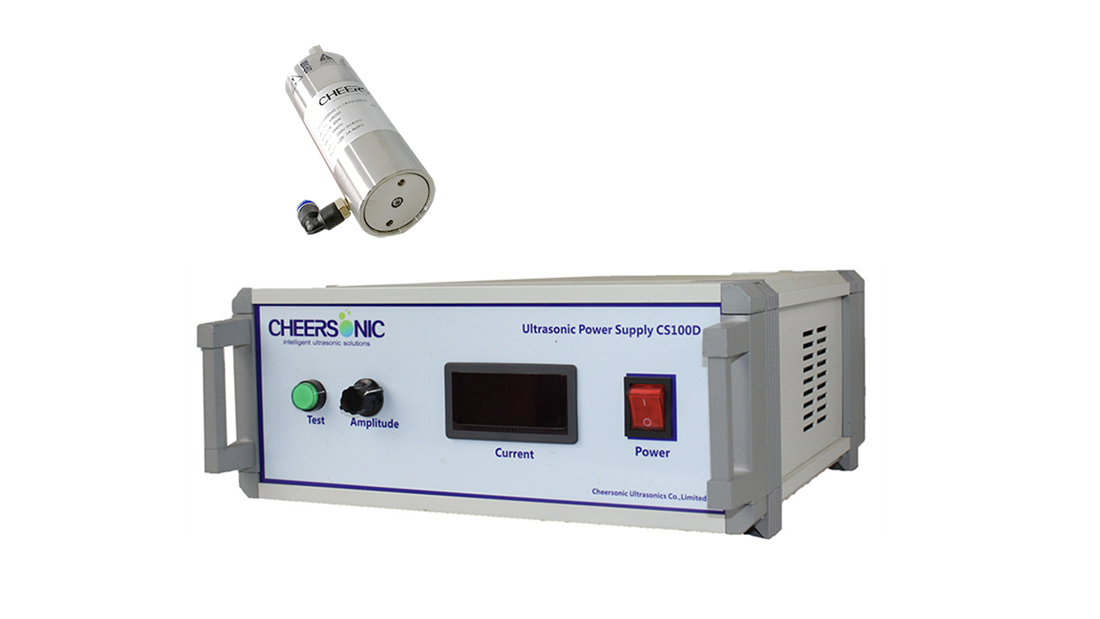
Anti Fingerprint Spray - Ultrasonic Liquid Atomization - Cheersonic

Benefits of ultrasonic coating:

High uniformity
Excellent repeatability
Easy to control coating thickness and morphology
No dripping
No clogging

Comments

Popular posts from this blog

Oleophobic Coating Spray – Ultrasonic Spray and Atomization – Cheersonic

  Oleophobic Coating Spray Oleophobic Coating Spray –  Ultrasonic Spray and Atomization  – Cheersonic Optically clear, uniform protective hard coating thin films are applied using controllable, non-clogging ultrasonic spray technology. Cheersonic has extensive experience with depositing protective coatings onto continuous float glass, panel glass, and lenses for a variety of applications. Cheersonic coating systems are used to spray protective glass coatings onto different sizes of types of glass for a number of different applications: Anti-scratch hard coatings Oleophobic coatings Protective polymer coatings Anti-fingerprint Weatherproofing coating Hydrophobic

Laboratory Ultrasonic Coating System

  Laboratory Ultrasonic Coating System Laboratory Ultrasonic Coating System –  Ultrasonic Nozzles  – Cheersonic Our company has many types of laboratory ultrasonic spraying equipment, such as UAM4000L is a typical laboratory equipment.

Optical Coating

Optical Coating Optical and optical components are usually coated with a thin layer of material to change the light reflected or emitted from them. This material is called an optical coating, and it can be used for everything from bulbs and lenses to mirrors and prisms. The main purpose of optical coatings is to block certain wavelengths of light or to provide a highly reflective surface. In some cases, they provide two functions to reflect specific wavelengths while allowing other wavelengths to pass unimpeded. Products using optical coating Camera lenses and vanity mirrors are common examples of optical coatings at work. The camera lens uses a dielectric coating that provides an anti-reflection coating. These coatings consist of magnesium fluoride, calcium fluoride or similar materials. They allow the user to select a specific texture of light entering the camera. For example, dielectric coatings can reduce glare or enhance certain colors (wavelengths) by blocking other glare. The mi...